
Signs You’re Emotionally Burned Out (Not Just Tired)
You’re exhausted, but it goes deeper than “just tired.” You cancel plans more often. You snap at loved ones. You feel disconnected. That’s not normal fatigue. That’s emotional burnout. Many people mislabel it as chronic tiredness and lose weeks or months trying to push through. But burnout is a layered collapse of your emotional, mental, and physical reserves.
In this post, we’ll map out the warning signs (beyond yawning) and help you see where Clarady’s emotional-blueprint lens can make the difference.

What Emotional Burnout Really Is
Burnout is a chronic syndrome that goes far beyond stress or normal fatigue. It’s often framed as three intertwined dimensions: emotional exhaustion, depersonalization (or detachment), and reduced sense of efficacy or accomplishment.
Emotional exhaustion is the core — you feel drained and unable to muster energy. Over time, you detach mentally (apathy, cynicism, numbness) and begin doubting your own value or competence.
Importantly, burnout is not just “working too hard for a week.” It’s cumulative — it grows when recovery is inadequate, boundaries erode, and stressors accumulate.
Because burnout overlaps with depression and anxiety, it’s often misunderstood or misdiagnosed.
Warning Signs of Emotional Burnout
Below are subtle and overt signals that you’re emotionally burned out — not just sleep deprived.
1. Persistent Exhaustion (Not Solved by Sleep)
You feel bone-tired even after a full night's rest. No amount of weekend downtime restores you. Mayo Clinic Health System+4HelpGuide.org+4Medical News Today+4 You may also experience bodily aches, headaches, or muscle tension without clear cause. HelpGuide.org+3Mayo Clinic Health System+3ScienceDirect+3
2. Emotional Flatness or Numbness
You feel detached from people or responsibilities you once cared about. You go through the motions but feel disconnected. SpringerLink+3HelpGuide.org+3Mayo Clinic+3
3. Growing Cynicism or Irritability
You find yourself snapping at small things — or responding with sarcasm and apathy more than empathy. Mayo Clinic+3PMC+3HelpGuide.org+3
4. Cognitive Impairment: Brain Fog, Forgetfulness, Loss of Focus
Simple tasks feel exhausting. You misplace things, can’t concentrate, or struggle to complete basic decisions. Medical News Today+3PMC+3PMC+3
5. Sense of Hopelessness, Helplessness, or Emptiness
You feel stuck. Even small problems feel insurmountable. You may question your purpose or feel trapped in your own life. WebMD+3Mayo Clinic Health System+3HelpGuide.org+3
6. Reduced Performance & Satisfaction
You used to deliver; now you just show up. You feel ineffective, your standards slip, or you procrastinate more. SpringerLink+4WebMD+4PMC+4
7. Physical & Health Signals
Frequent illnesses or lowered immunity
Changes in appetite or digestive issues
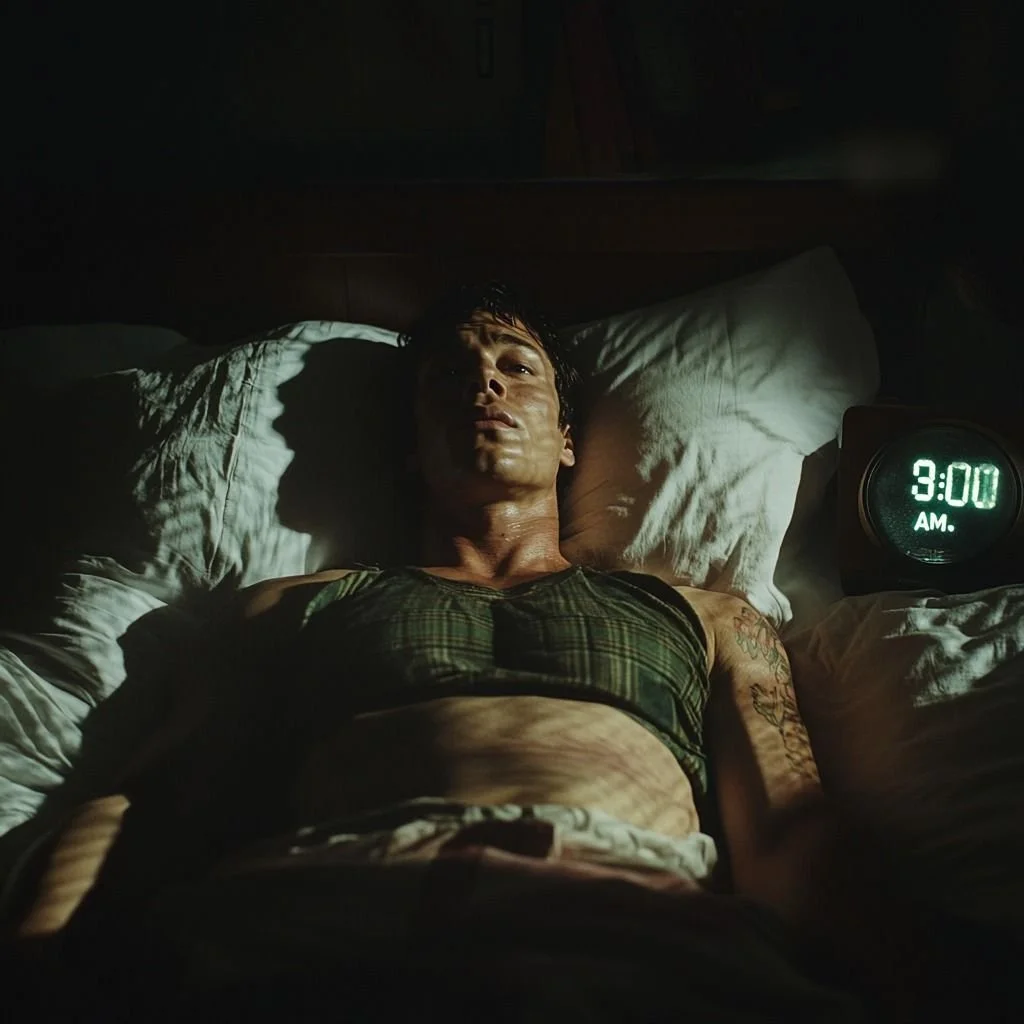
Insomnia, restlessness, or disrupted sleep cycles
Headaches, joint pain, gut discomfort, or other “unexplained” pains WebMD+4HelpGuide.org+4ScienceDirect+4
8. Behavioral Signs of Withdrawal or Coping Shifts
You skip social events, avoid commitments, or increasingly isolate. You may lean more heavily on passive coping (binge watching, numbing with food, substances) just to escape. HelpGuide.org+1
Why You Might Miss These Red Flags
You’ve normalized “busyness.” When exhaustion is your default, you don’t notice escalation.
You mistake burnout for stress or depression. Overlapping symptoms confuse the picture.
You push through. Many high-functioners view collapse as weakness, so they mask, fake, or soldier on.
You lack emotional awareness. Without a clear internal map (like Clarady’s blueprint), early signs are ignored until things break.
The Clarady Perspective: Beyond “Symptom Checklists”
Burnout is not a one-size-fits-all collapse. It manifests uniquely depending on your emotional blueprint, your stress triggers, and your inner thresholds. At Clarady, we lean into:
Your Emotional Baseline
Burnout isn’t just “too many demands” — it’s demands plus patterns of suppression, conflict-avoidance, or overextension that erode your baseline stability.Stress Leverage Points
We identify your high-leverage stress nodes (e.g. boundary collapse, people-pleasing, internal pressure) — and intervene there instead of patching downstream symptoms.Recovery as Recalibration
True recovery isn’t rest alone. It’s recalibrating your daily rhythms, emotional alignment, and systemic shift in how you engage life.

What You Can Do (Next Steps)
Start with awareness — log 3–5 moments each day when your energy dips or your mind goes blank. Pattern-spotting begins the break.
Create mini “emotional micro-breaks.” Even 2-5 minutes of focused breathing, grounding, or check-in can arrest downward slides.
Re-examine your boundary settings. What constantly bleeds into you? That’s the first line of defense.
Re-prioritize recovery routines. Sleep hygiene, gentle movement, nature, creative expression, relational nourishment.
Seek professional support — burnout can cross into depression or anxiety, and sometimes external guidance helps you rebuild safely.
If you’re seeing more than one or two of those signs not just “burned out,” but emotionally burned, it’s time to intervene now, not later. In tomorrow’s post, we’ll explore how burnout rewires your internal emotional circuitry (and what you can do to rewire back).
In the meantime: reply with which signs in this list are showing up in you — we can tailor your next steps.
RESOURCES AND FURTHER READING
Mayo Clinic – Job burnout: How to spot it and take action
https://www.mayoclinic.org/healthy-lifestyle/adult-health/in-depth/burnout/art-20046642Mayo Clinic Health System – Emotional exhaustion during times of unrest
https://www.mayoclinichealthsystem.org/hometown-health/speaking-of-health/emotional-exhaustion-during-times-of-unrestHelpGuide – Burnout Prevention and Recovery
https://www.helpguide.org/mental-health/stress/burnout-prevention-and-recoveryWebMD – Burnout Symptoms and Signs
https://www.webmd.com/mental-health/burnout-symptoms-signsFrontiers in Psychology – Burnout and depression: Two sides of the same coin?
https://www.frontiersin.org/journals/psychology/articles/10.3389/fpsyg.2019.00284/fullPubMed Central – Understanding the burnout experience
https://pmc.ncbi.nlm.nih.gov/articles/PMC8834764/PubMed Central – Cognitive impairment associated with burnout
https://pmc.ncbi.nlm.nih.gov/articles/PMC9478693/ScienceDirect – Burnout: A review of theory and measurement
https://www.sciencedirect.com/science/article/abs/pii/S0165178121003206
